

Electric bikes are transforming the way we ride — from daily commutes to weekend adventures. But the key to every great e-ride lies in one essential part: the battery.
Your e-bike battery powers the motor, supports pedal assist, and keeps you moving smoothly. Over time, its capacity can decline — but with the right care, you can keep it strong for years and save money on replacements.
In this guide, we’ll cover 10 proven ways to keep your e-bike battery healthy, powerful, and long-lasting.
1. Understand Your E-Bike Battery
Before you can take care of your battery, it’s important to understand what type it is.
Most modern electric bikes use lithium-ion batteries, known for their efficiency, lightweight design, and longlife span. Typically, a high-quality lithium-ion e-bike battery lasts for 500–1,000 full charge cycles, which can translate to several years of regular use.
Knowing your battery’s voltage (V) and capacity (Ah) helps you monitor its health and understand how far you can go per charge. Check your e-bike manual or the battery label for these details.
2. Charge Smart — Avoid Overcharging or Draining
Proper charging habits make a big difference. Avoid letting your battery fully discharge (0%), as deep discharges can stress the cells. Instead, try to keep it between 20% and 80% most of the time.
Also, don’t leave your e-bike plugged in overnight for days — overcharging can slowly degrade the battery. Once it’s fully charged, unplug it. Always use the original charger provided by your manufacturer to ensure voltage compatibility and prevent damage. These habits become even more meaningful when you consider whether an e-bike fits your lifestyle; Electric vs. Traditional Bikes: Which One is Right for You? often highlights battery convenience as a key factor, so preserving that convenience starts with smart charging.
3. Keep It Cool — Avoid Extreme Temperatures
Temperature plays a major role in your battery’s health. Both heat and cold can reduce performance and shorten life span. The ideal temperature range for e-bike batteries is between 50°F and 77°F (10°C–25°C).
Avoid charging or storing your e-bike in direct sunlight or near heaters. Similarly, during winter, don’t leave your e-bike battery outdoors in freezing temperatures. Always let your battery warm up to room temperature before charging.
4. Store Your E-Bike Battery the Right Way
If you’re not riding your e-bike for several weeks or months, storing your battery properly is essential.
- Keep it at 50–70% charge (not full, not empty).
- Store it in a cool, dry place away from moisture.
- Remove the battery from the bike if possible.
For long-term storage, check the charge every few months and top it up if it falls below 40%. Proper storage ensures your battery doesn’t degrade while sitting idle.
5. Use Pedal Assist Wisely
Your riding style directly affects how long your battery lasts on each charge. If you always ride in the highest power mode, your battery drains faster. Instead, use lower pedal assist levels on flat roads and switch to higher assist only on hills or when you’re tired.
Smooth acceleration and maintaining a steady speed help reduce energy consumption. Think of it as driving a car — the smoother you ride, the longer your “fuel” lasts. Mastering this skill not only saves battery life but also makes your rides safer, especially in busy areas. For more guidance on staying safe while riding, Essential Safety Tips for Riding Your Bike in Traffic is a valuable resource.
6. Maintain Your E-Bike Regularly
Your motor and battery will last longer if your entire bike is well-maintained.
Keep your tires properly inflated, your chain lubricated, and your brakes adjusted. Friction and drag cause your motor to work harder, draining the battery faster.
Regular maintenance checks ensure everything runs smoothly and efficiently. If your e-bike has software or firmware updates, install them — manufacturers often include improvements that optimize battery performance.
7. Keep It Clean, But Avoid Water Damage
Cleaning your e-bike regularly helps prevent dirt buildup that can affect performance. However, never spray water directly on the battery, charger port, or electrical components.
Use a soft, damp cloth to wipe down your battery and connectors. Make sure everything is dry before charging or riding again. If you often ride in wet conditions, consider using waterproof covers or seals to protect your electronics.
8. Protect It from Shock and Theft
Your e-bike battery isn’t just expensive — it’s delicate. Dropping or hitting it can cause internal cell damage, even if the casing looks fine. Always handle it carefully when removing or installing it.
When parking your e-bike outdoors, use a strong lock and, if possible, take the battery with you. A stolen battery can cost hundreds to replace and may not be covered by warranty.
9. Know When It’s Time to Upgrade
Even with the best care, every battery eventually loses capacity. If you notice your range decreasing significantly or your battery gets unusually hot, it might be time for a replacement.
When upgrading, choose a manufacturer-approved battery or a compatible model with equal or higher capacity. Newer lithium-ion technologies can offer longer range and improved durability, making your upgrade a smart investment.
10. Recycle Your Old Battery Responsibly
E-bike batteries contain materials like lithium, nickel, and cobalt — which can be harmful if not disposed of correctly. Never throw an old e-bike battery in the trash.
Many local recycling centers and e-bike shops accept used batteries for proper recycling. Some brands even offer take-back programs. Recycling not only protects the environment but also helps recover valuable materials for reuse.
Standout E-Bike Recommendations: Built for Battery Life & Performance
If you’re looking for e-bikes that already come equipped with high-quality batteries and efficient systems, here are two top choices from Tracer designed with long-term performance in mind.
Raptor Pro DS 26" Electric Chopper Bike
Powerful yet efficient, featuring a Samsung 48V/20Ah lithium-ion battery and 800W motor.
Its dual spring DS fork and steel frame reduce strain on the motor and battery.
With 5-level pedal assist and hydraulic disc brakes, it offers smooth control and consistent energy use.

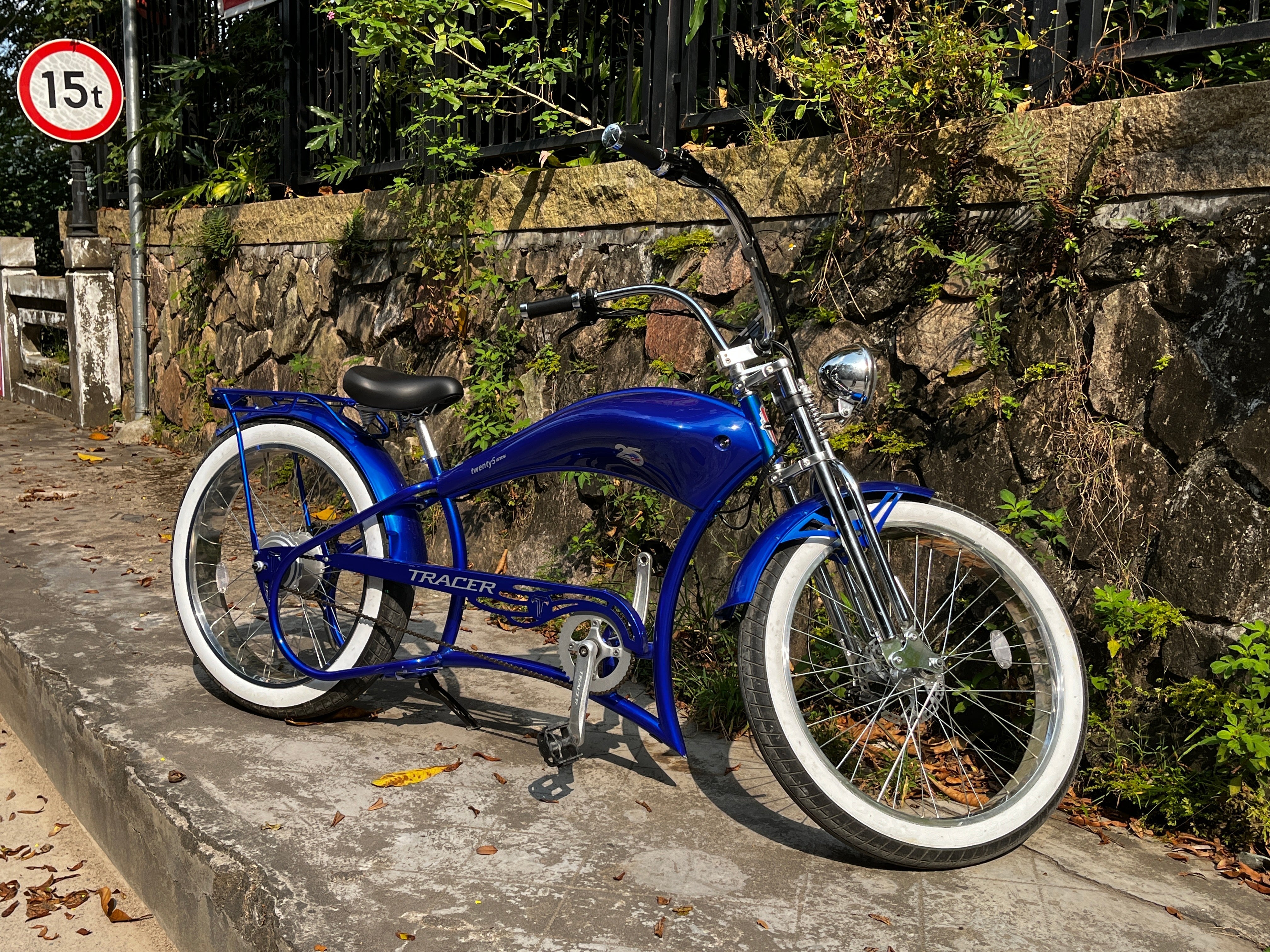
Twenty5 GT 26" Electric Cruiser Bike
A retro-inspired cruiser with a Samsung 48V/17.5Ah lithium-ion battery and 800W motor.
Built with a steel stretch frame and triple tree fork, it balances comfort with durability.
Perfect for long rides with 3 riding modes, 5 assist levels, and FAT white wall tires for a smooth feel.

Conclusion
Taking care of your e-bike battery doesn’t have to be complicated. By following simple habits — smart charging, proper storage, moderate pedal assist use, and regular maintenance — you can extend your battery’s lifespan by years.
A well-maintained battery means longer rides, better performance, and fewer replacement costs.
So, the next time you hop on your e-bike, remember: every ride and every charge cycle count. Treat your battery well, and it’ll power your adventures far into the future.
FAQ
Q1: How long does an e-bike battery usually last?
A: Most lithium-ion e-bike batteries last 3–5 years or 500–1,000 full charge cycles, depending on usage and care.
Q2: Should I fully discharge my battery before charging?
A: No. Lithium-ion batteries perform best when charged between 20% and 80%. Full discharges can shorten lifespan.
Q3: Can I leave my battery charging overnight?
A: Occasional overnight charging is fine, but regularly leaving it plugged in at 100% can reduce battery lifespan. Unplug when full.
Q4: How do temperature extremes affect my battery?
A: Heat accelerates battery wear, while cold temporarily reduces capacity. Store and charge your battery in a cool, dry place (15–25°C / 59–77°F).
Q5: How can I maximize range during rides?
A: Use pedal assist wisely, avoid high-assist modes on flat terrain, keep tires properly inflated, and maintain your drivetrain.
Share:
Maintaining Your Cruiser Bike: The Most Comprehensive Tips and Guidelines
Cruiser Bikes Lifestyle: Your Ultimate Guide to Style and Comfort