

Parent-Child Cycling Guide: Top Tips to Help Your Kids Love Riding Bikes
Cycling isn’t just a fun activity—it’s a fantastic way to bond with your child while promoting health, fitness, and confidence. Introducing your child to biking at an early age encourages an active lifestyle, improves balance and coordination, and provides a foundation for lifelong outdoor enjoyment. Whether you’re exploring parks, neighborhoods, or scenic trails, family cycling is a memorable and rewarding experience.
This guide shares essential tips to help families cycle safely together, from choosing the right bike and gear to building simple riding routines, so your child can grow confident and enjoy cycling for years to come.
Why Cycling is Great for Kids
Cycling offers multiple benefits for children, making it one of the best activities for physical and mental development:
1. Develops Balance and Coordination
Riding a bike is one of the most effective ways for children to enhance gross motor skills. It improves balance, coordination, and spatial awareness, which are essential for everyday activities and other sports. Even short rides of 10–15 minutes daily can strengthen muscles and refine motor control. If you’re just starting out, check out How to Teach Your Child to Ride a Bike for step-by-step tips that make learning fun and safe.
2. Promotes Physical Fitness
Cycling is a low-impact activity, meaning it’s gentle on young joints while still providing a robust cardiovascular workout. It strengthens the legs, glutes, and core muscles, builds endurance, and burns energy effectively. Incorporating cycling into a child’s routine supports healthy growth and combats sedentary habits.
3. Boosts Mental Health and Confidence
Outdoor cycling reduces stress, alleviates anxiety, and enhances mood. Learning to ride a bike is a significant milestone for children, fostering independence and self-confidence. Children gain a sense of accomplishment when they master new skills starting, stopping, or navigating turns.
4. Encourages Family Bonding
Cycling together strengthens family relationships. It provides quality time for conversation, shared experiences, and teamwork. Group rides or weekend family cycling adventures are excellent ways to create lasting memories while promoting healthy habits. For ideas on fun rides suitable for the whole family, see: The Best Family-Friendly Bike Rides.
Pro Tip: Mix short rides with park or boardwalk adventures to keep rides engaging and fun.
Choosing the Right Bike for Your Child
Selecting the right bike is crucial for your child’s safety, comfort, and confidence. A properly fitted bike not only makes learning to ride easier but also keeps your child motivated and excited to ride regularly. When choosing a kids bike, consider the following key factors:
1. Wheel Size: The wheel size should match your child’s age, height, and riding experience. A correct wheel size improves balance, control, and comfort while reducing the risk of falls.
- 12″ Bikes: Ideal for toddlers (ages 2–4) learning balance, often used with balance bikes or first pedal bikes. These small bikes help children gain confidence without training wheels.
- 16″ Bikes: Suitable for children ages 4–7 who are ready for their first pedal bikes. These bikes are great for learning coordination and basic cycling skills.
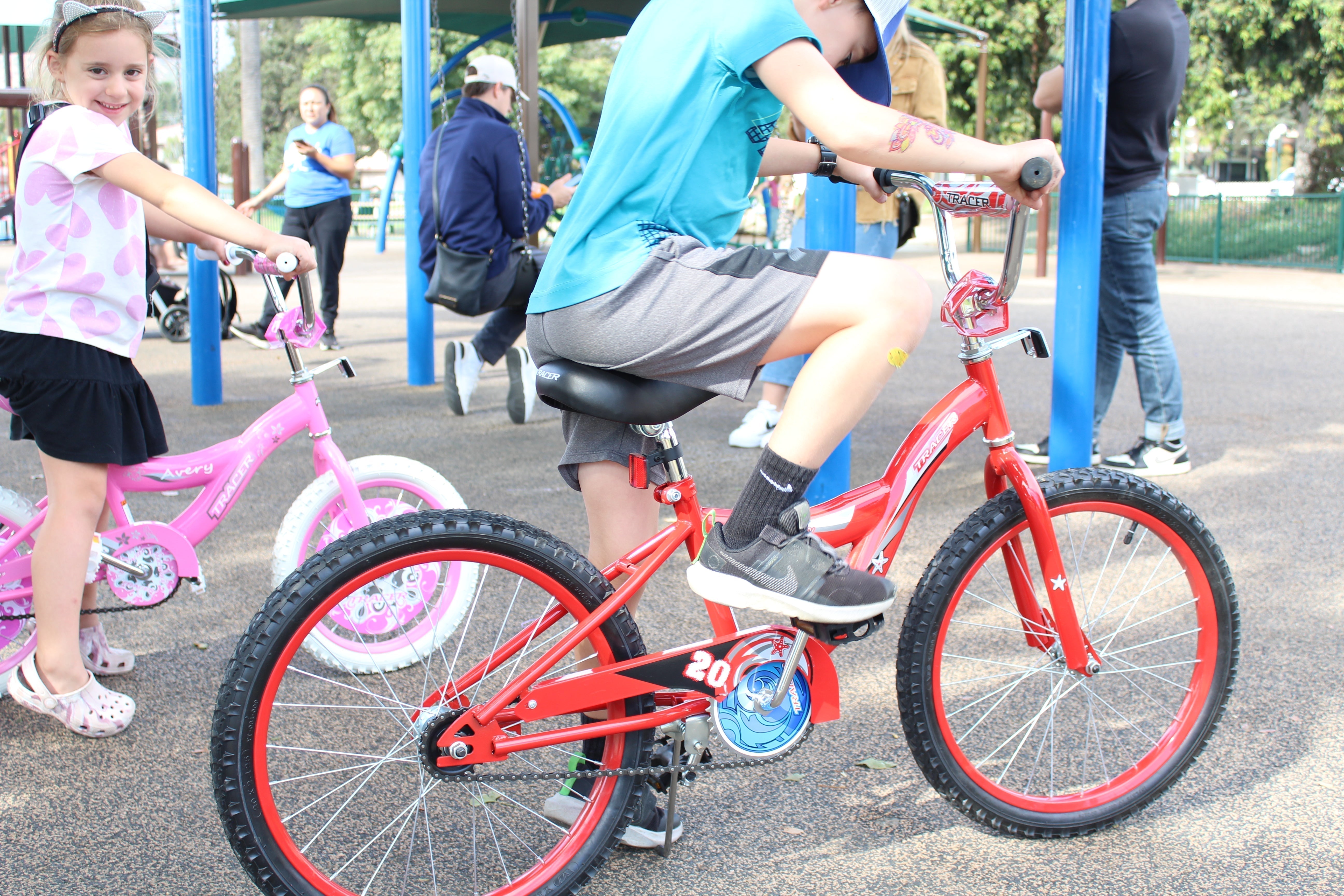
- 20″ Bikes: Perfect for older kids (ages 6–9) who are ready for longer rides and more challenging terrain. These bikes offer better stability and are suitable for neighborhood rides or bike paths.
2. Frame Geometry: Low step-through frames are recommended for young riders. They make mounting and dismounting the bike easier, which is especially important for beginners or smaller children.
3. Brakes: Safety is a top priority. Choose bikes with reliable braking systems, such as coaster brakes (pedal backward to stop) or hand brakes, depending on your child’s strength and skill level. Coaster brakes are easier for younger riders, while hand brakes help develop coordination for future bikes.
4. Adjustability: Children grow quickly, so look for bikes with adjustable seats and handlebars. This ensures that the bike can grow with your child, providing a comfortable ride for a longer period.
By carefully considering wheel size, frame geometry, braking systems, and adjustability, parents can choose a bike that enhances safety, encourages confidence, and makes learning to ride a fun and enjoyable experience. For a deeper dive on why BMX bikes might be ideal for kids, see: Why Your Kid Needs a BMX Bike: The Best Options at Chico Bikes
Kids' Top Choice: Chico Bike Series
Chico Bikes offers a thoughtfully designed range of kids’ bikes that make learning and riding fun:
- Chico Bikes 12″ Kids Bike – Chloe
Lightweight and easy to handle, the Chole 12″ Starter Balance Bike is built on a sturdy BMX-style frame with kid-friendly proportions, making it ideal for toddlers learning balance and coordination. Its simple, pedal-free design helps young riders gain confidence and control before moving on to a pedal bike.

- Chico Bikes 16″ Kids Bike – Avery
The 16″ Avery is a stable, easy-to-pedal cruiser that’s perfect for kids ages 4–7. With its comfortable geometry and smooth-rolling tires, it helps young riders build confidence and control on neighborhood streets, parks, and bike paths.

- Chico Bikes 20″ Kids Bike –Logan
The 20″ Logan Beach Cruiser is a comfortable and reliable choice for older kids ready for longer family rides and outdoor adventures. With its sturdy frame, smooth-rolling wheels, and easy handling, it helps young riders enjoy confident cruising on streets, trails, or boardwalks.

Tip: Always test ride bikes with your child to ensure proper fit. The right bike allows for comfortable pedaling, stable handling, and easy maneuvering. Comfort and confidence matter more than fancy features, especially for beginners.
Essential Gear for Kids
Safety and comfort are critical when introducing children to cycling. Equipping your child with the right gear ensures a positive experience:
1. Helmet – The most important safety item. Ensure a snug, properly fitted helmet that meets safety certifications.
2. Lights & Reflectors – Essential for visibility, especially during dawn, dusk, or urban rides. Rechargeable LED lights work well.
3. Gloves – Reduce hand fatigue, protect against minor scrapes, and improve grip.
4. Padded Seat or Shorts – Provide comfort for longer rides, preventing soreness and discomfort.
5. Hydration – Water bottles or hydration packs keep children hydrated during rides.
6. Fenders – Protect clothing and the bike frame from splashes on wet surfaces.
How to Start Riding Safely with Kids
Introducing cycling to children should be gradual, encouraging, and fun. Follow these steps to build confidence and skills:
1. Start Slow and Short
Begin with 10–20-minute rides on flat, safe areas like parks or driveways. Gradually increase ride duration as your child gains comfort and confidence.
2. Warm Up and Stretch
Encourage 5–10 minutes of light pedaling or stretching to warm up muscles, especially the legs, hips, and lower back.
3. Teach Proper Form
Good posture improves balance and reduces strain. Encourage upright seating, relaxed shoulders, and light hands-on handlebars. Avoid leaning forward excessively.
4. Use Pedal Assist Wisely (for e-bikes)
If using electric-assist bikes, start with minimal assistance to allow children to develop strength. Increase pedal assist only for hills or longer rides.
5. Gradually Increase Duration
Add 5–10 minutes per week to rides. Focus on consistency over intensity to build endurance naturally.
6. Introduce Gentle Hills and Resistance
Tackle slight inclines or resistance gradually to strengthen leg muscles. Avoid steep terrain until children develop skill and confidence.
Building a Family Cycling Routine
A consistent routine maximizes benefits for children and parents alike:
- Frequency: 3–4 rides per week
- Duration: 20–45 minutes, gradually increasing with age and skill
- Terrain Variety: Mix flat paths, gentle hills, and parks
- Rest Days: Essential for recovery and preventing fatigue
- Track Progress: Apps or bike computers help monitor distance, speed, and milestones
Structured yet flexible routines encourage skill development, improve stamina, and make cycling a fun, integral part of family life.
Motivation and Fun Tips
- Set Achievable Goals: Focus on small milestones like learning to pedal, balancing, or longer rides.
- Celebrate Success: Reward achievements with praise or small incentives to build confidence.
- Social Rides: Invite friends or neighbors for group rides. Social interaction adds fun and motivation.
- Scenic Adventures: Explore parks, beaches, or local trails to keep rides exciting and engaging.
Maintaining Kids’ Bikes
Regular maintenance ensures safety and prolongs the life of the bike:
- Check Tire Pressure Weekly: Properly inflated tires improve control and reduce accidents.
- Lubricate Chain & Gears: Reduces wear and ensures smooth pedaling.
- Brake Inspection: Confirm brakes function correctly before each ride.
- Clean the Bike Regularly: Especially after wet or sandy rides.
- Safe Storage: Keep bikes in dry, secure areas to prevent rust or damage.
For a full guide on bike care, see: Maintaining Your Cruiser Bike: The Most Comprehensive Tips and Guidelines.
Conclusion
Parent-child cycling is a fun and healthy way to boost your child’s fitness, confidence, and family connection. Introducing kids to cycling early helps them develop essential riding skills, improve physical health, and foster a lifelong love for outdoor activity.
Chico Bikes offers beginner-friendly kids bikes, from 12″ balance bikes to 20″ pedal cruisers, with the right gear and guidance for safe, enjoyable rides. Start your family cycling journey today and create lasting memories together!
Share:
How to Prevent Your Bike from Rusting in Winter—The Ultimate Guide to Rust-Free Riding
The Ultimate Guide to Fat Tire Ebike Safety: Best Tips for Winter Roads & Holiday Rides