

Introduction
As 2026 begins, cycling is set to be more advanced than ever, with electric bikes, sleek road bikes, and high-tech mountain bikes everywhere. Yet cruiser bikes are expected to remain a familiar sight on streets, beach paths, and parks.
Unlike performance-focused bikes, cruisers are designed for everyday life—comfortable, easy, and enjoyable. Over the coming year, they will continue to shine in real-world moments, from casual rides to relaxed social outings, proving that riding is about enjoyment, not just speed or stats.
What a Cruiser Bike Really Is (Without the Sales Pitch)
Before diving into how cruiser bikes are used, it’s important to understand what defines them in practical terms.
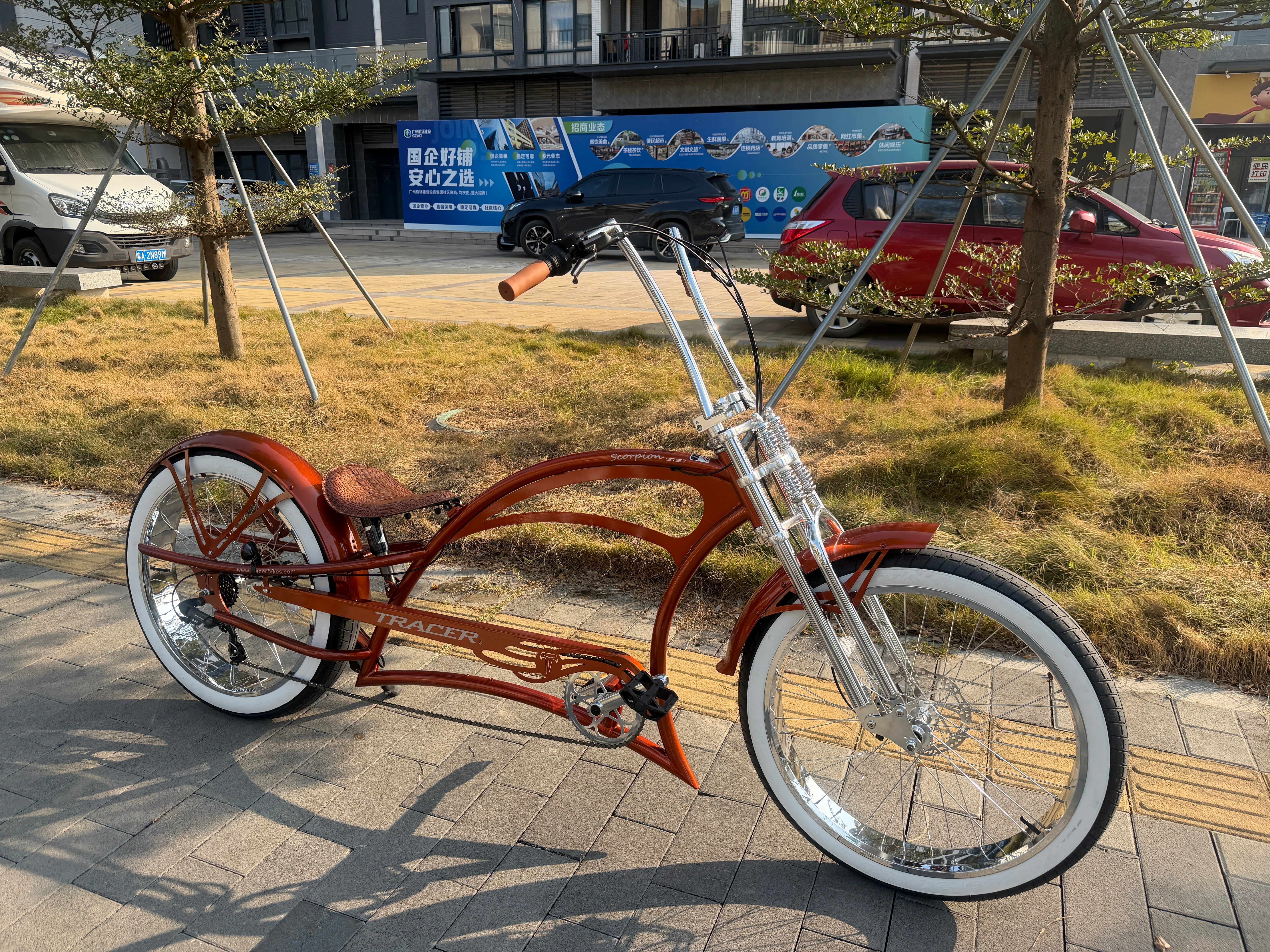
A cruiser bike is not defined by high-end components, advanced gearing systems, or lightweight materials. Instead, it is defined by how it feels to ride.
At its core, a cruiser bike prioritizes:
- An upright riding position that keeps the rider relaxed
- A geometry that favors stability over speed
- A riding posture that reduces strain on the back, neck, and wrists
- Simple, intuitive handling
Unlike performance-focused bikes, cruiser bikes are forgiving. They don’t demand precision or aggressive posture. They don’t ask the rider to constantly think about cadence, gear ratios, or aerodynamics. Instead, they invite the rider to slow down and simply move through their environment.
This is why cruiser bikes tend to show up not in races or training sessions, but in everyday moments of life.
Use1: Short Daily Rides That Don’t Feel Like Exercise
One of the most common real-world uses of cruiser bikes is short, casual daily riding. Typical examples include:
- Going to a nearby coffee shop
- Riding to a convenience store
- Visiting a friend a few blocks away
- Running a small errand within the neighborhood
Why Cruiser Bikes Work for These Rides
What makes cruiser bikes ideal for short trips is approachability, not speed. Many people hesitate to ride a bike for short distances because they associate cycling with effort:
- Traditional bikes often feel like exercise equipment
- Narrow saddles and forward-leaning postures signal that riding requires commitment
Cruiser bikes remove this mental barrier. Their upright seating position allows riders to hop on and go without preparation:
- No need to change clothes
- No stretching or mental preparation
- The ride feels natural, like walking—but faster
Real-World Impact
This simplicity has a practical effect:
- People are more likely to use cruiser bikes for quick trips than performance-oriented bicycles
- Even short rides become frequent, building a habit of everyday cycling
In 2026, as urban areas continue to encourage micro-mobility and short-distance travel, cruiser bikes fit seamlessly into daily life.
For those looking to make the most of these short trips, understanding your bike and keeping it well-maintained makes every ride smoother and more enjoyable.
Further Reading: Maintaining Your Cruiser Bike: The Most Comprehensive Tips and Guidelines
Use2: Weekend Cruising Without a Destination
Another everyday scenario where cruiser bikes shine is destination-free riding.
What Destination-Free Riding Means
This type of riding has no specific goal beyond the ride itself:
- No planned route
- No mileage target
- No strict timeline
Riders can turn around at any point or stop frequently to enjoy their surroundings.
Why Cruiser Bikes Are Perfect for This
Cruiser bikes are uniquely suited to unstructured riding:
- Relaxed geometry encourages slower speeds and steady pacing
- Comfortable seating allows longer rides without fatigue
- Riders can easily look around and enjoy the scenery
Real-World Examples
You’ll often see destination-free riding in settings like:
- Beach paths
- Parks and greenways
- Quiet residential streets
- Scenic city routes
Unlike performance bikes, cruiser bikes don’t pressure riders to go faster. Slow, leisurely riding feels natural and appropriate.
Trend for 2026
As people increasingly seek ways to disconnect from screens and schedules, destination-free riding is becoming more popular. Cruiser bikes support this trend by making unstructured movement feel easy and enjoyable.
Use3: Comfortable Riding for People Who Don’t Identify as “Cyclists”
A significant portion of cruiser bike riders do not consider themselves cyclists.
Who These Riders Are
They don’t follow cycling culture, track performance data, or wear specialized gear—and they don’t want to.
Everyday examples include:
- Adults returning to cycling after many years
- People who never felt comfortable on traditional bikes
- Riders who prioritize comfort over speed
- Individuals who just want a practical way to get around
Why Cruiser Bikes Work for Them
Cruiser bikes offer an accessible entry into cycling without forcing a “cyclist identity”:
- Geometry is familiar, reminiscent of bikes from childhood or early adulthood
- Upright seating feels intuitive
- Handling is predictable
This familiarity reduces anxiety, letting riders focus on the experience rather than technique:
- No need to worry about balance or posture
- Enjoy the ride naturally
Trend for 2026
As cycling becomes more diverse and inclusive, cruiser bikes welcome riders who might otherwise feel excluded by performance-focused designs, making cycling approachable for everyone.
If you’re rediscovering the joy of riding or easing back into cycling after years away, some bikes are specifically designed to make that transition effortless and fun.
Further Reading: Rediscover the Joy of Childhood: Reliving the Magic of Biking as an Adult
Use4: Social Riding With Friends and Family
Social riding is a common real-world use of cruiser bikes.
What Social Riding Involves
This type of riding focuses on conversation, shared experience, and togetherness rather than speed or distance. Examples include:
- Couples riding together
- Friends meeting for casual rides
- Families enjoying a relaxed pace
- Community group rides
Why Cruiser Bikes Are Perfect for Social Riding
Cruiser bikes naturally support group riding:
- Stable handling allows riders to stay side by side
- Moderate speeds keep everyone together
- Upright posture makes conversation easy while riding
- Less pressure to maintain a specific pace
In contrast, performance-focused bikes often fragment groups, with faster riders pulling ahead and slower riders falling behind. Cruiser bikes reduce this issue by encouraging uniform, relaxed pacing.
Real-World Impact
In everyday settings, cruiser bikes are ideal for shared experiences, allowing riders to enjoy social connections on the ride rather than focusing on performance or distance.
To make the most of these group rides, exploring local paths and community-friendly routes ensures everyone can enjoy the ride together.
Further Reading: The Best Family-Friendly Bike Rides
Use5: Low-Impact Movement for Everyday Health
Cruiser bikes also support everyday physical well-being.
Why Low-Impact Movement Matters
Not all physical activity needs to be intense to be effective. Consistent, low-impact movement is often easier to maintain and more sustainable over time.
How Cruiser Bikes Support Health
Cruiser bikes promote gentle, sustainable activity by offering:
- A comfortable riding posture
- Reduced strain on joints
- Smooth, predictable handling
- A pace that encourages longer and more frequent rides
Real-World Impact
For many riders, cruiser bikes become a natural part of daily routine:
- They may not even think of it as exercise
- Over time, riding improves mobility, light cardiovascular health, and outdoor exposure
- The relaxed riding style makes it easier to maintain consistency, which is often more important than intensity
Trend for 2026
As more people seek balanced and sustainable health practices, cruiser bikes remain a practical, approachable choice for everyday movement and well-being.
Why These Uses Matter More Than Performance Metrics
When evaluating bikes, it is easy to focus on specifications: speed, weight, gear count, or power output. However, these metrics do not determine whether a bike fits into daily life.
Cruiser bikes succeed not because they outperform other bikes, but because they integrate seamlessly into real-world routines.
A bike that is comfortable, accessible, and enjoyable is far more likely to be ridden regularly. In practice, this matters more than technical superiority.
Cruiser Bikes Versus Other Bike Types in Daily Life
Compared to other bike categories, cruiser bikes occupy a unique space.
- Road bikes excel at speed but require commitment
- Mountain bikes handle rough terrain but feel excessive on pavement
- Hybrid bikes aim to balance performance and comfort
Cruiser bikes focus entirely on the experience of riding rather than optimizing a specific function.
This makes them particularly well-suited for everyday use where flexibility, comfort, and simplicity matter most.
Looking Ahead: Cruiser Bikes Beyond 2026
As cycling continues to evolve, cruiser bikes are unlikely to disappear. Instead, they are adapting subtly to modern needs.
This includes:
- Improved ergonomics
- Integration with electric assist options
- Better durability and materials
- Continued emphasis on comfort
Rather than chasing trends, cruiser bikes remain anchored in a timeless concept: riding should feel good.
Conclusion
In the real world, the best bike isn’t always the fastest or most advanced—it’s the one that fits naturally into daily life. Cruiser bikes continue to matter in 2026 because they support how people actually ride, whether it’s short trips, relaxed weekend rides, or social outings.
They aren’t about performance or metrics; they’re about comfort, ease, and presence. That’s why cruiser bikes remain relevant—not as a fleeting trend, but as a steady part of everyday life.
Share:
Which Body Parts Are Toned by Cycling? A Complete Guide to Muscles and Fitness Benefits
Why Are More Seniors Choosing Ebikes? Comfort, Freedom, and a Better Way to Keep Riding