
Electric bikes have transformed the cycling world over the past decade, offering pedal-assist technology, longer range, and easier hill climbing. They make commuting, running errands, and longer rides accessible to more people than ever before. While e-bikes provide convenience and speed, many riders still prefer the simplicity, reliability, and physical engagement of traditional pedal-powered bikes.
Among traditional bicycles, cruiser bikes remain especially popular for their comfortable design, smooth ride, and timeless style. Ideal for leisurely coastal boardwalks, quiet neighborhood streets, or scenic park trails, cruisers focus on comfort and enjoyment rather than speed or performance. This guide explores the differences between electric and traditional bikes, highlights why cruisers remain relevant, and helps you choose the bike that best fits your lifestyle and riding goals.
The Rise of E-Bikes in Modern Cycling
Electric bikes have become one of the fastest-growing segments of the global bicycle market. Advances in battery technology, lighter motors, and improved bike design have made e-bikes more practical and accessible than ever before.
Unlike traditional bicycles, e-bikes include an electric motor that assists the rider while pedaling. Most systems use pedal-assist technology, meaning the motor only activates when the rider pedals. This design helps riders maintain a natural cycling experience while reducing the physical effort required for longer rides or steep climbs.
Several factors explain why e-bikes have become so popular.
Easier Commuting
For many urban commuters, electric bikes provide an efficient alternative to driving or public transportation. Riders can travel longer distances while arriving at work with less fatigue, making e-bikes especially useful for daily commuting.
Longer Riding Range
Electric assistance allows riders to travel significantly farther than they might on a traditional bike. This makes weekend adventures and longer recreational rides more accessible to casual cyclists.
Accessibility for More Riders
E-bikes have opened cycling to a wider audience. Riders who may have previously found cycling physically demanding—such as older riders or those recovering from injuries—can now enjoy riding with greater comfort.
While these benefits are impressive, they don't eliminate the advantages of traditional bicycles. Instead, the two types of bikes serve different riding purposes.
Why Traditional Bikes Are Still Popular
Even as e-bike technology continues to improve, traditional bicycles remain incredibly popular worldwide. Many cyclists still prefer the simplicity and efficiency of classic pedal-powered bikes.
Simplicity and Reliability
Traditional bikes are mechanically simple. They do not require batteries, motors, wiring systems, or electronic controllers. Because of this simplicity, maintenance is generally easier and less expensive.
Basic upkeep typically includes:
- Lubricating the chain
- Checking tire pressure
- Adjusting brakes or gears
- Cleaning the drivetrain
Lightweight Design
Traditional bikes are usually much lighter than electric bikes. While many e-bikes weigh between 50 and 70 pounds, traditional bicycles typically weigh closer to 25 to 35 pounds.
This lighter weight makes them easier to:
- Carry upstairs
- Transport on car racks
- Store in apartments
- Maneuver through tight urban spaces
For riders who value responsiveness and simplicity, a lighter bike often feels more enjoyable to ride.
Lower Purchase Cost
Electric bikes typically cost more due to their electrical components and batteries. Traditional bikes remain one of the most affordable ways to enter the cycling world while still offering a high-quality riding experience.
A Pure Riding Experience
Some cyclists simply enjoy the direct connection between effort and movement that traditional bicycles provide. Without motor assistance, riders experience the full physical engagement of cycling, which many people find rewarding.
For tips on getting the perfect fit and maximizing your comfort, see Get the Perfect Bike Fit: How to Find the Right Size for You.
The Unique Appeal of Cruiser Bikes
Among the many types of traditional bicycles still widely enjoyed today, cruiser bikes stand out for their relaxed riding style and iconic design. These bikes are built for comfort, making them perfect for leisurely rides rather than high-speed performance.
Cruiser bikes typically feature several distinctive characteristics.
Upright Riding Position
Cruiser frames are designed to allow riders to sit upright rather than leaning forward aggressively. This posture reduces strain on the back, shoulders, and wrists, making rides more comfortable for extended periods.
Wide, Comfortable Saddles
Most cruiser bikes come equipped with wide, cushioned saddles designed for maximum comfort. These seats help absorb bumps and vibrations, especially when riding on boardwalks, park trails, or uneven pavement.
Smooth and Stable Handling
Cruiser bikes often use wider tires and longer wheelbases, which improve stability and create a smooth riding experience. This makes them ideal for casual environments such as beach paths, scenic parks, or quiet neighborhood streets.
Stretch Cruiser Bikes: Style Meets Comfort
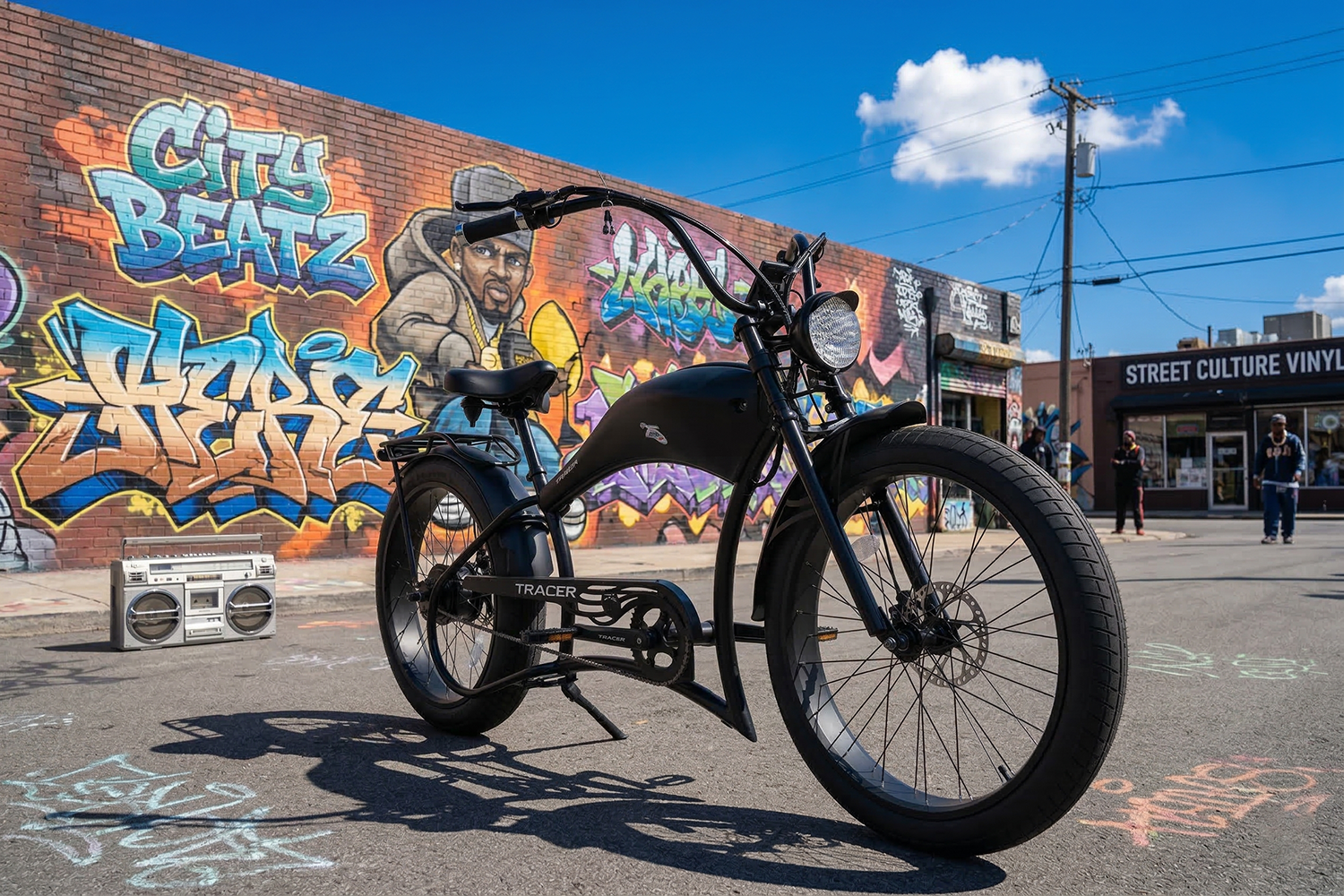
One of the most visually striking variations of cruiser bikes is the stretch cruiser. These bikes feature elongated frames and extended forks that create a distinctive chopper-style appearance inspired by custom motorcycles.
Stretch cruiser bikes combine comfort with bold styling. Their extended wheelbase often produces a smoother ride and a unique road presence that turns heads wherever they go.
Common features of stretch cruiser bikes include:
- Extended frame geometry
- Low riding position
- Wide handlebars
- Thick tires for stability
Many stretch cruisers also use wider tires that provide better grip and shock absorption. Understanding Why FAT Tires Make a Huge Difference in Stretch Bike Performance helps explain why these bikes feel so stable and comfortable.
For riders who enjoy personalization, stretch cruiser bikes also offer excellent opportunities for customization—from custom paint jobs to upgraded handlebars and seats, these bikes can become expressions of personal style.

When an E-Bike Might Be the Better Choice
Although traditional cruiser bikes offer many advantages, electric bikes can be the better option in certain situations.
E-bikes are especially useful for riders who:
- Commute long distances
- Encounter steep hills regularly
- Need assistance due to physical limitations
- Prefer faster travel with less effort
For example, someone who commutes ten to fifteen miles each day may benefit greatly from electric pedal assistance. Similarly, riders living in hilly regions often appreciate the extra power that an e-bike provides.
In these cases, electric bikes can dramatically expand the practicality of cycling.
When a Cruiser Bike Is the Perfect Choice
For relaxed and recreational riding, cruiser bikes remain one of the best options available.
They are particularly well suited for:
- Beachside paths
- Boardwalk rides
- Casual neighborhood cycling
- Weekend leisure rides
- Scenic park trails
Unlike performance-oriented bikes, cruiser bikes emphasize comfort, style, and enjoyment.
Many beginners also find cruiser bikes easy to learn because of their stable geometry and predictable handling. For guidance, see Parent-Child Cycling Guide: Top Tips to Help Your Kids Love Riding Bikes.
Cruiser bikes remind us that cycling doesn't always have to be about speed or competition. Sometimes the best rides are simply about enjoying the journey.
Maintenance Differences Between E-Bikes and Traditional Bikes
Another important difference between electric bikes and traditional bicycles is maintenance.
Electric bikes contain additional components that occasionally require attention, including:
- Battery systems
- Electric motors
- Controllers and wiring
- Display units
While these systems are generally reliable, they can increase long-term maintenance costs.
Traditional bikes are much simpler. Routine maintenance typically involves cleaning the drivetrain, lubricating moving parts, and checking brakes and tires.
Because of this simplicity, many riders appreciate the reliability and low upkeep associated with traditional cruiser bikes.
Choosing the Right Bike for Your Lifestyle
Selecting the right bicycle depends largely on how and where you plan to ride.
Before choosing a bike, consider the following questions:
How far will you ride?
Short leisure rides may be perfect for a cruiser bike, while longer commutes may benefit from electric assistance.
What terrain will you ride on?
Flat areas and coastal paths are ideal for cruiser bikes, while mountainous terrain may make e-bikes more appealing.
What type of riding experience do you want?
Some riders prefer the exercise and simplicity of traditional cycling, while others prioritize convenience and extended range.
The Future of Cycling: Electric and Traditional Bikes Together
Rather than competing with each other, electric bikes and traditional bicycles are shaping the future of cycling together.
The modern cycling world includes a wide range of bike types designed for different purposes:
- Road bikes for speed and endurance
- Mountain bikes for off-road trails
- Electric bikes for commuting and long-distance travel
- Cruiser bikes for comfort and relaxed riding
Many cyclists own multiple bikes for different purposes. For instance, an e-bike might be used during the week for commuting, while a cruiser bike is reserved for weekend leisure rides.
As cycling continues to grow in popularity, both electric and traditional bikes will remain important parts of the cycling ecosystem.
For a broader perspective, check out Why Cruiser Bikes Still Matter in 2026: 5 Everyday Ways People Ride.
Conclusion
Electric bikes have undoubtedly transformed cycling by making longer rides and daily commuting easier, expanding accessibility, and encouraging more people to explore new possibilities. Their growing popularity shows how technology can enhance convenience, speed, and range for riders of all levels.
At the same time, traditional bicycles—especially cruiser bikes—continue to offer timeless benefits that technology cannot replace. With their simple mechanics, relaxed riding style, and comfort-focused design, cruisers are perfect for leisurely beach paths, scenic park trails, or calm evening rides through neighborhoods. In a world of ever-expanding cycling options, classic cruisers remind us that sometimes the best rides are the simplest ones.
FAQ
1. Are traditional bikes disappearing because of e-bikes?
No. Traditional bikes are still widely used for leisure, exercise, and short rides. Many riders prefer their simplicity, lighter weight, and lower cost.
2. What is the main difference between an e-bike and a traditional bike?
An e-bike has a battery-powered motor that assists pedaling, while a traditional bike is powered entirely by the rider.
3. Are cruiser bikes good for beginners?
Yes. Cruiser bikes are beginner-friendly thanks to their upright riding position, stable frame, and comfortable seats.
4. When should you choose an e-bike instead of a traditional bike?
E-bikes are ideal for long commutes, steep hills, or riders who want extra assistance while cycling.
5. Why are cruiser bikes still popular?
Cruiser bikes remain popular because they offer comfort, classic style, and a relaxed riding experience for casual rides.
Share:
Is a Beach Cruiser Bike Really Easy to Ride? The Complete Beginner’s Guide to Cruiser Comfort and Control